Friday, August 25, 2006

steel valley movie

"we are a network, and not a hierarchy"

such was the quote about the strength of the blogging community and their production of ideas, which came from the Meet the Bloggers recent interview with Tim Ryan - Youngstown's representative in the halls of Congress. You can listen to the entire interview here.

George Nemeth of Brewed Fresh Daily provided this opinion on the interview:
"I was engaged by this remarkable young man and his yearning for all of us to live in a world of ideas and limitless possibilities. He sees the vision, he knows how to lead us toward it, and he knows the difference between hierarchical and networked. He’s a communicator, and I guess you’ll just have to listen to the podcast to see what I mean. Tim Ryan may be the best chance any of us has, either side of the aisle, to move forward and attain our potential as a people. I can’t say enough. Listen. This is the future, beckoning."


now that's an endorsement of vision.


Another interesting thing I came across for the first time while surfing last night is a movie called "Steel Valley". The film has Youngstown native and Ursuline grad Ed O'Neil playing one of the movie's main characters.


So while the movie is not a dead-on biography of Mr. Ryan's rise to Congress, the plot shares a similar theme.

wow. that was quick.

I wonder when the first Jay Williams' movie is going to be in the theaters . . .

Thursday, August 24, 2006

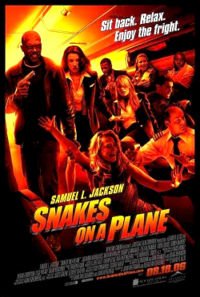
get these muthaf*ckin' snakes out of muthaf*ckin' youngstown

UPDATE: (from Paris, 9:03pm CET)

I just made it back to the apartment from the subway stop near Rue de Jonquoy where I took this photo:


So, Prenez ces putain serpents de muthaf*ckin' youngstown!

ORIGINAL POST:
Youngstown native and 1967 East High graduate Dave Dalessandro was the writer for the original screenplay from which the new movie "Snakes on a Plane" was based.


read the Vindicator article here.

read the Pitt article here.

'nuff said.

Wednesday, August 23, 2006

strolling through stuttgart - part II

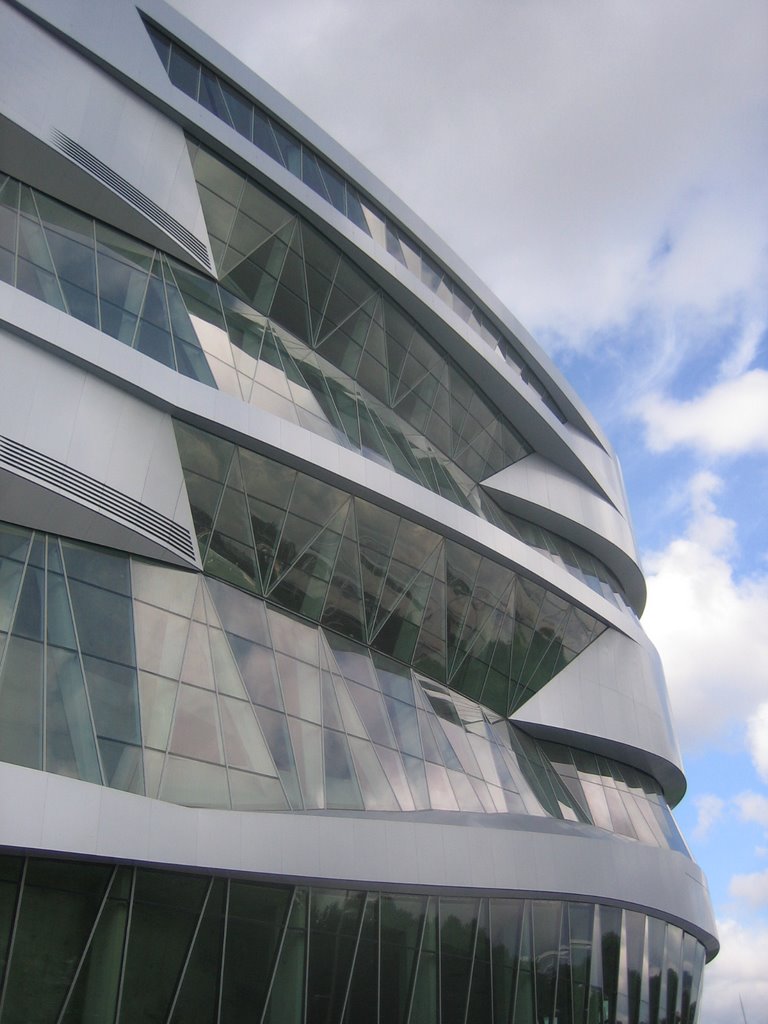
The next day after a night out at Winter Fest Summer Fest, I made it over to the new Mercedes-Benz-Daimler-Chrysler Museum in Stuttgart.

Really a stunning building. It just opened in May of this year.


Upon entry, you take these elevators to the top of the building. After seeing a stuffed horse and the world's first automobile, you slowly descend around the perimeter of the building seeing the history of the company and its place in German and world history.


Along the way, you have a handset which tells stories, highlights inventions, and provides historical information. I am not really a big car nut, but I spent 5 hours there.


And then, as all modern museums do, the end of the tour dumps you out into the gift shop.

But this gift shop was nuts.

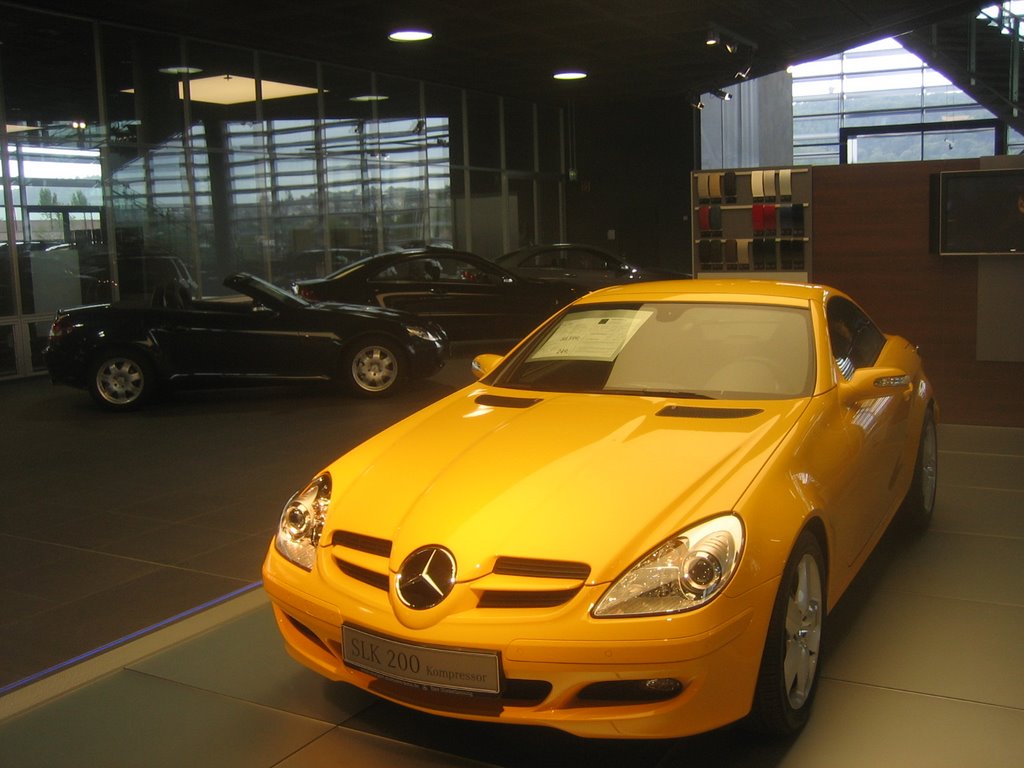
In addition to the Mercedes-Benz polo shirts and blingish keychains, there were four floors of Mercedes cars that one can sit in, look over, and begin leasing. Cars were available to drive off the lot.


crazy. Maybe we should build a Avanti Museum.

Tuesday, August 22, 2006

strolling through stuttgart - part I

Also last week I made a visit to Stuttgart, Germany's 6th largest city. There are 600,000 in the city and about 3 million in the metro area.

Stuttgart is home to the headquarters of Daimler-Chrysler, Porsche, and Bosch. The few days I stayed there, they were in the middle of the summer festival in what is left (not much actually) of the historical part of their downtown. It was odd because during the "summer festival" temperatures did not go above 50 degrees. It was mid August and everyone was walking around in ski jackets and scarves. Here is a photo of the central fountain with the opera illuminated in the background:


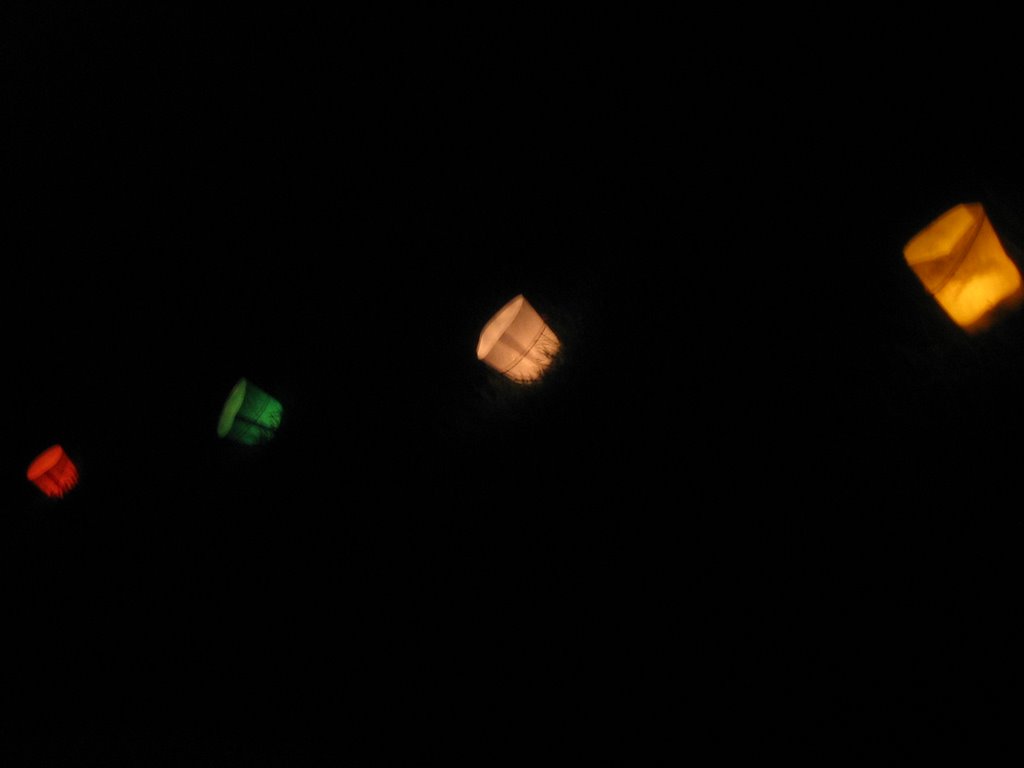
Small candles surrounded by multi-colored paper lit all the paths near this square. It looked great. Here is a closeup of these candles . . . a nice, non-expensive way to add color to the environment at night:


As the music played at the various stages in this area, the buildings changed color as well. Here is a quick movie of the what the place looked like.


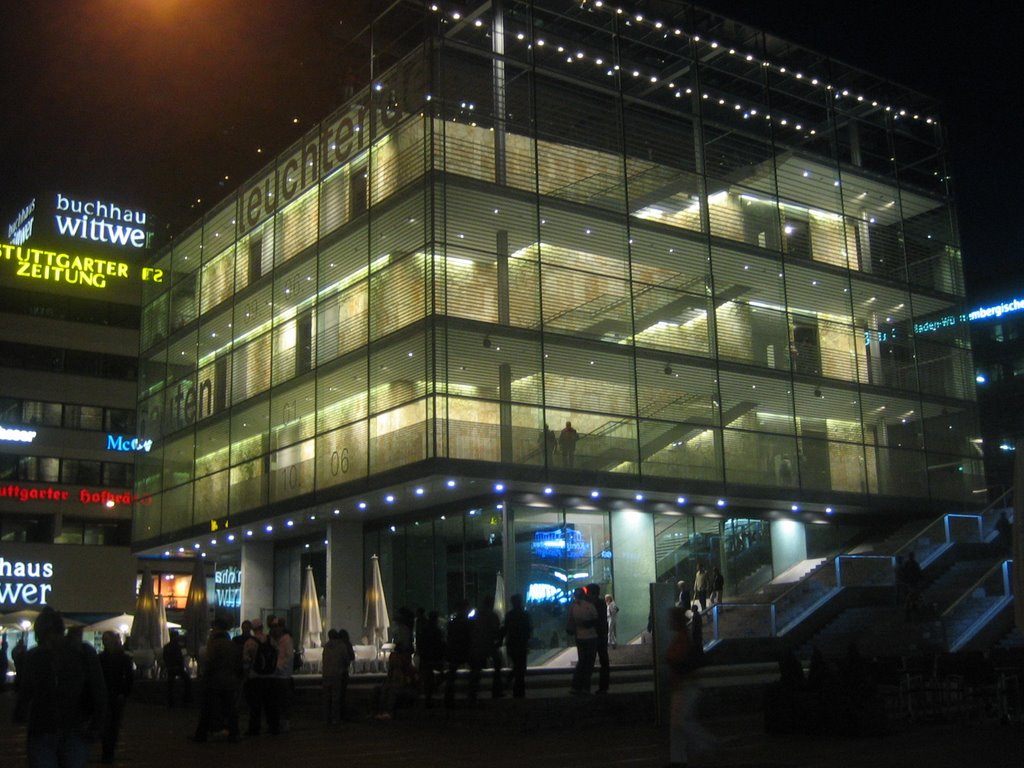
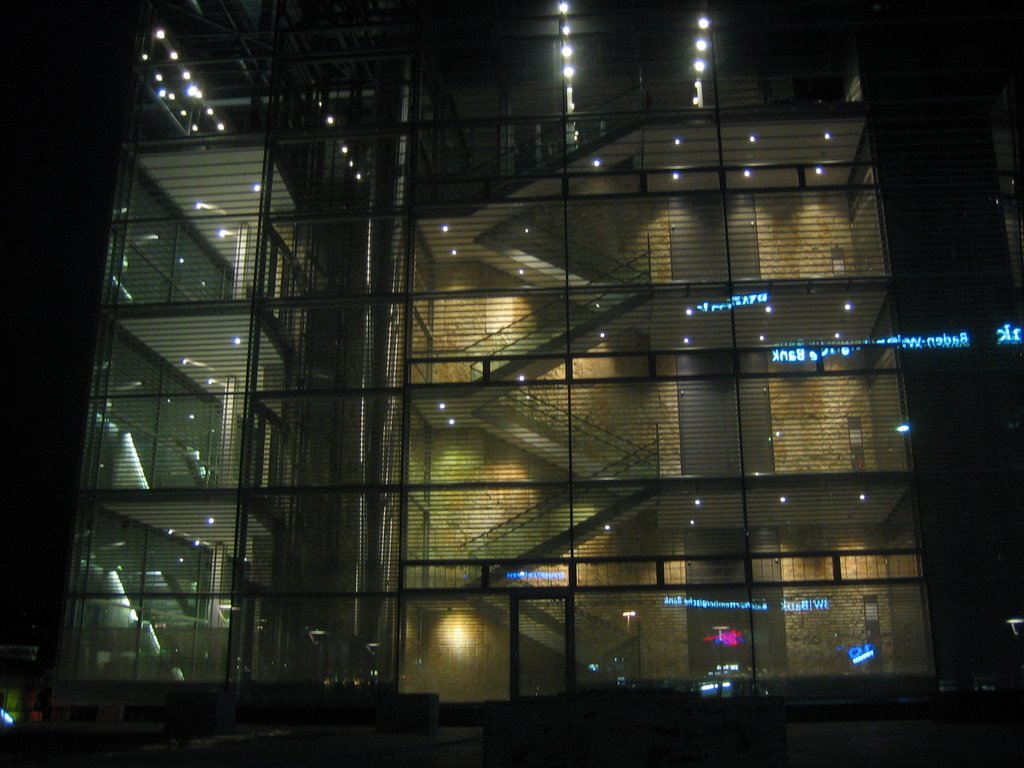
Just around the corner is a new art museum in the downtown. I love the architecture. Maybe the new building for the Williamson School of Business at YSU can incorporate parts of this building for its design. The new structure can really have that "beacon on a hill" look.


I really like how the stairs are situated around the building. The galleries are furthest in, and like a shell, the stairs are further out right next to the glass exterior.


And in the cafe at the southern entrance, there was a great piece of morphing art. Cycles of persian rugs and turkish carpets were created over and over again as hipsters listened to a dj playing drum and bass in the background. very cool.

Monday, August 21, 2006

interactive art in karlsruhe

Last week I made a stop in Karlsrhue to visit some colleagues at the Fraunhofer Institute in Karlsruhe Germany. Karlsruhe is the center of a metro area about the same size as that of Youngstown's.

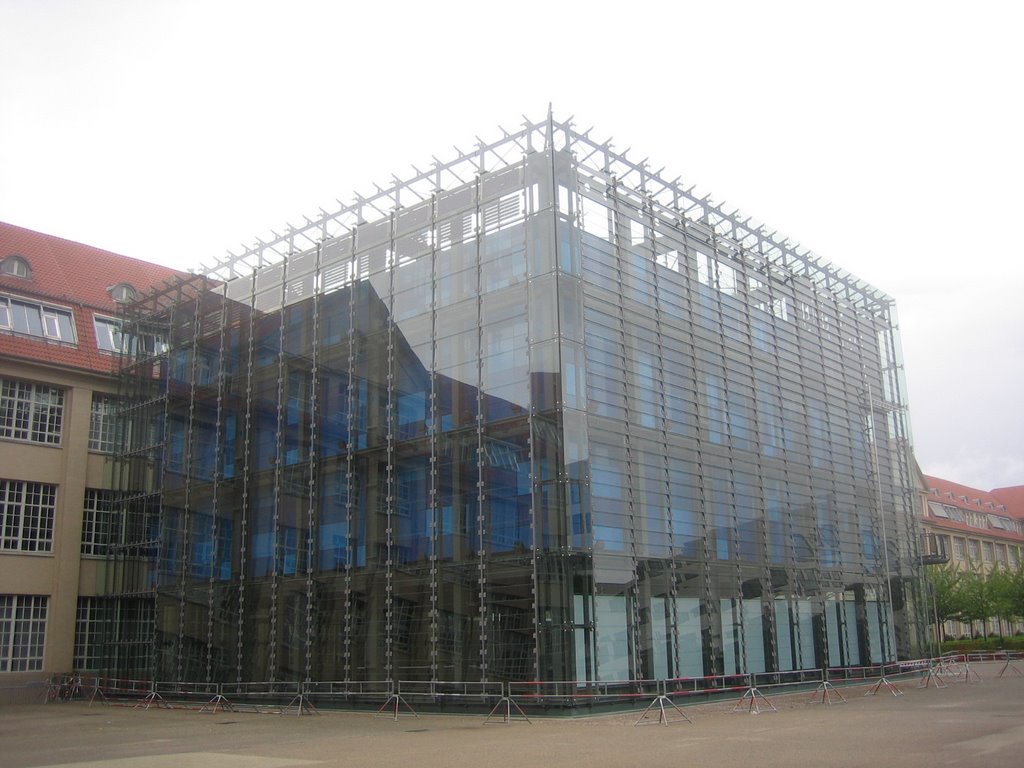
For a city of Karlrhue's size, it seems to have a remarkable about of arts and cultural institutions. One is the Zentrum für Kunst und Medientechnologie (Center for Art and Media Technology) and I had the chance to visit. Here is a photo of the outside of the building:


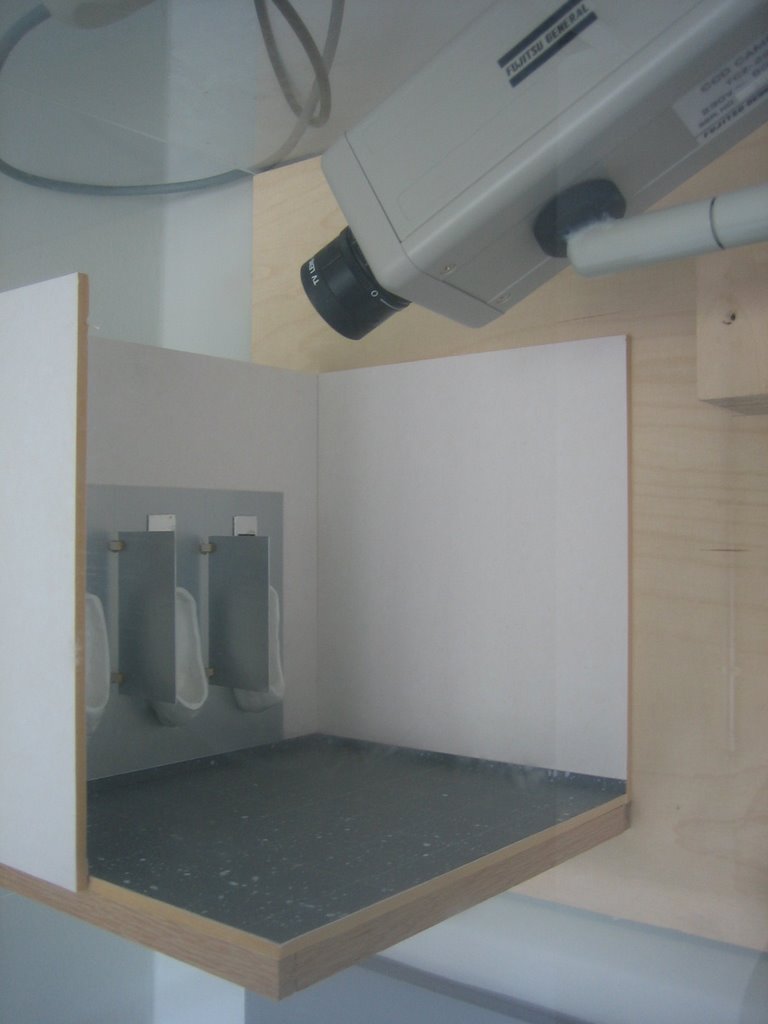
Three very large floors were dedicated to interactive art. There was even art in the men's bathroom.


One of the coolest pieces I saw was a screen projecting bubbles onto a wall. As a person made a swipe at the bubbles, the bubbles made noises as they bumped off your silhouette. Check out this clip:


Karlsruhe has a large chateau/castle in the middle of the city and many of the main streets emminate from this building. Kinda like the Capitol in Washington DC.


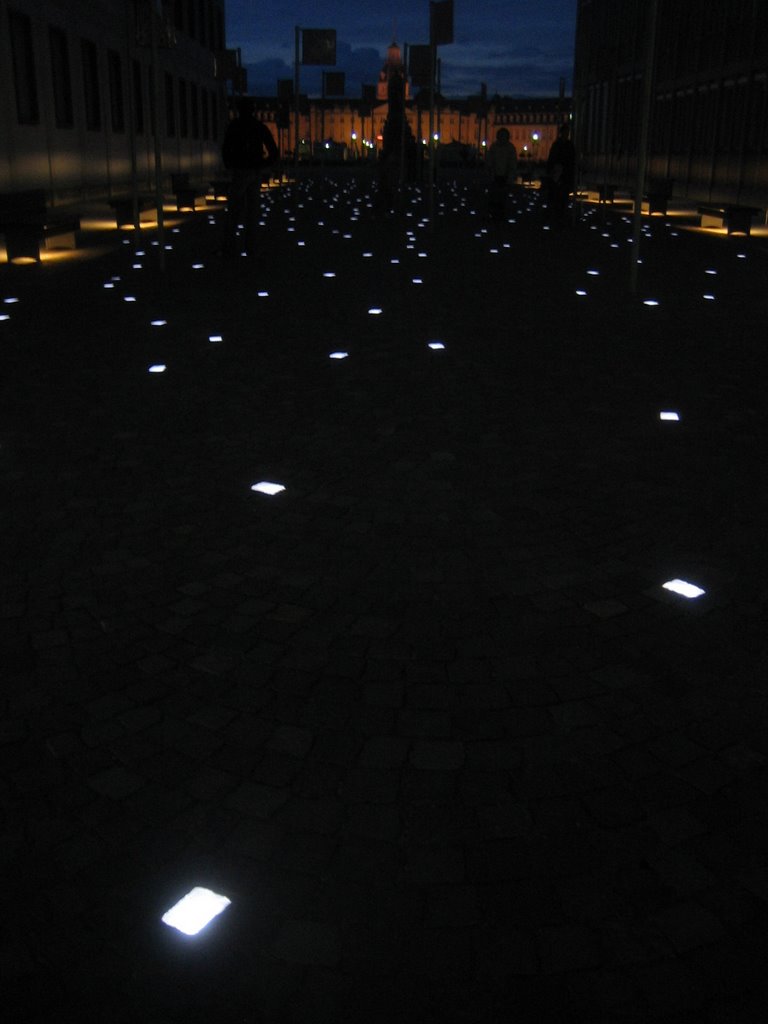
In the stone street in front of this building, they did some neat design. During the day, all of these stones look the same. But at night, certain stones light up and illuminate the ground. I'm still not sure how they did this, but it was really cool.


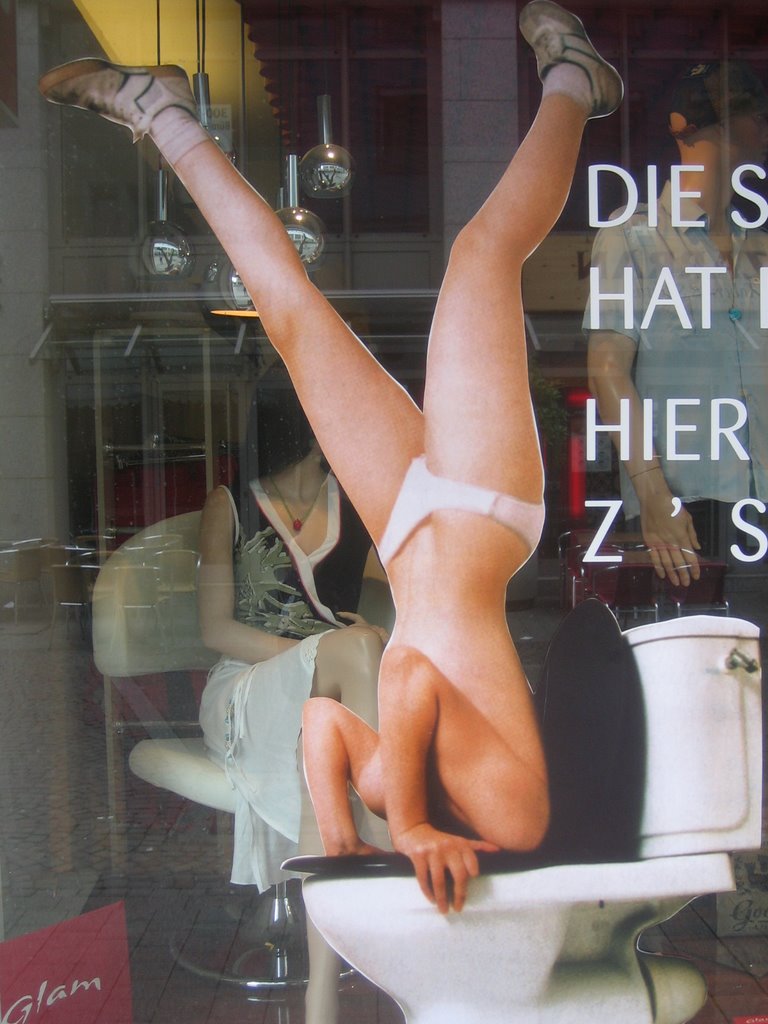
And one last picture is dedicated to this advertisement in the window of a store. I'm not sure what they were selling (it wasn't toilets) but it certainly caught my eye.

Tuesday, August 15, 2006

did they leave or did they die?

Today's morbid post develops from an article in today's Plain Dealer about how Cleveland's population is sliding below 400,000 for the first time in a hundred years.

The article goes on to say that "White residents left [Cleveland] in greater numbers, but black residents also moved out" and that Cleveland's population is growing older and poorer in addition to getting smaller.

But are people moving out or dying out?

I calculated a few additional stats for cities around Ohio from the American Community Survey Data. These values are presented in the following manner:

city name:
% of population over 55 - % over 65 - % over 75 - % over 85

Columbus:
16.8% - 8.7% - 4.1% - 1.0%
Cleveland:
20.2% - 11.1% - 5.5% - 1.5%
Cincinnati:
20.3% - 11.3% - 6.3% - 1.3%
Akron:
22.0% - 12.1% - 6.3% - 1.3%
Parma:
26.9% - 16.5% - 9.2% - 1.8%
Youngstown:
27.6% - 17.7% - 10.3% - 2.5%
Mahoning County:
28.4% - 16.6% - 9.1% - 2.2%

Most of these communities are indeed getting older and the truth is, in 25 years many of their citizens in the age brackets above will be dead.

And unless the population will be replaced, these cities and regions will have an excess of housing, infrastructure, and government that will need to be adressed.

Aging populations may also be tied into the sustainability of the local workforce. A story in today's Youngstown Vindicator describes the effort to downsize the number of hourly workers at the Delphi plant in Trumbull County. The original plan was to shrink the workforce from 3,800 workers to a bit over 1,000. But 3,400 hourly works took the buyout, and now union leaders are concerned if they can run the facility with only 400 workers. Is the acceptability of the buyout related to the age of the workforce?

I'm not sure of the answer . . .

But is now the time to discuss regional or state-wide land use planning and housing policies to address population loss and unsustainable sprawl?

Sunday, August 13, 2006

three-part series on allentown on 33 news

This week, Amy Radinovic from 33 wytv news did a three-part series on the history and economic development of Allentown, Pennsylvania. You can watch these three segments here, here, and here.

One of the first stories this blog ever covered was a three-part review of Safford´s Allentown PhD thesis which compared the Youngstown and Allentown regions from a social network theory perspective. You can read these three segments here, here, and here.

Tuesday, August 08, 2006

new floral display in metz

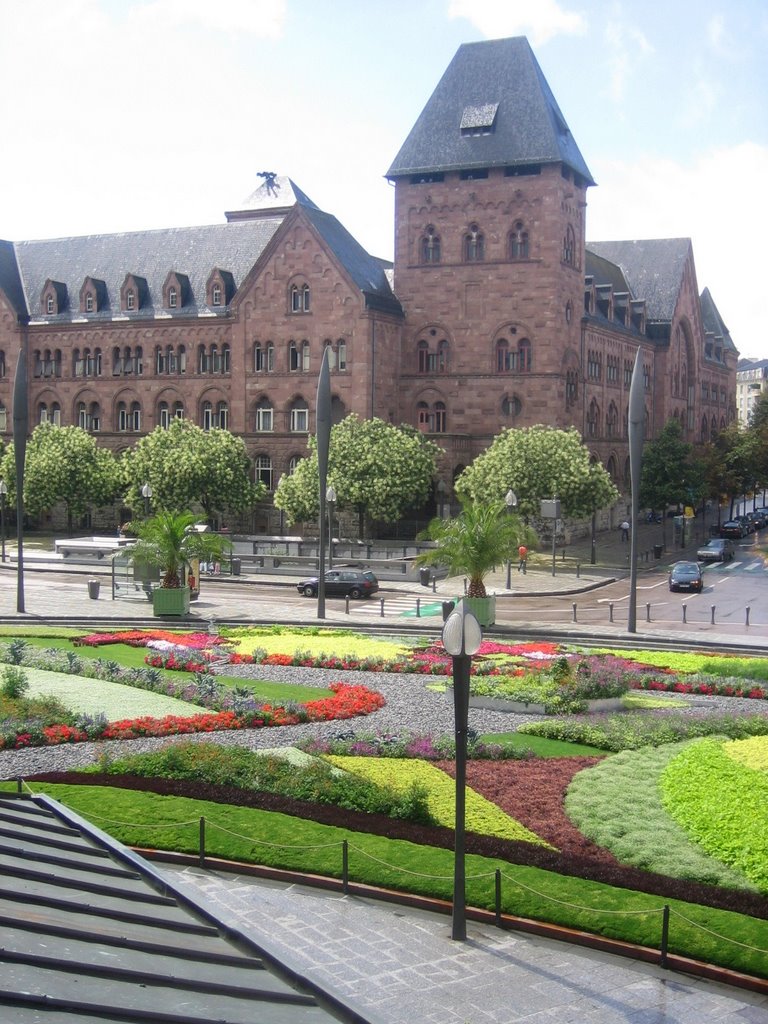
About four months ago, I wrote an entry describing how some cities in Europe add floral displays to cover their open plain spaces during the summer months. This week, I returned to the city of Metz in France to further investigate exactly how these displays were constructed. (click here to read the original post)

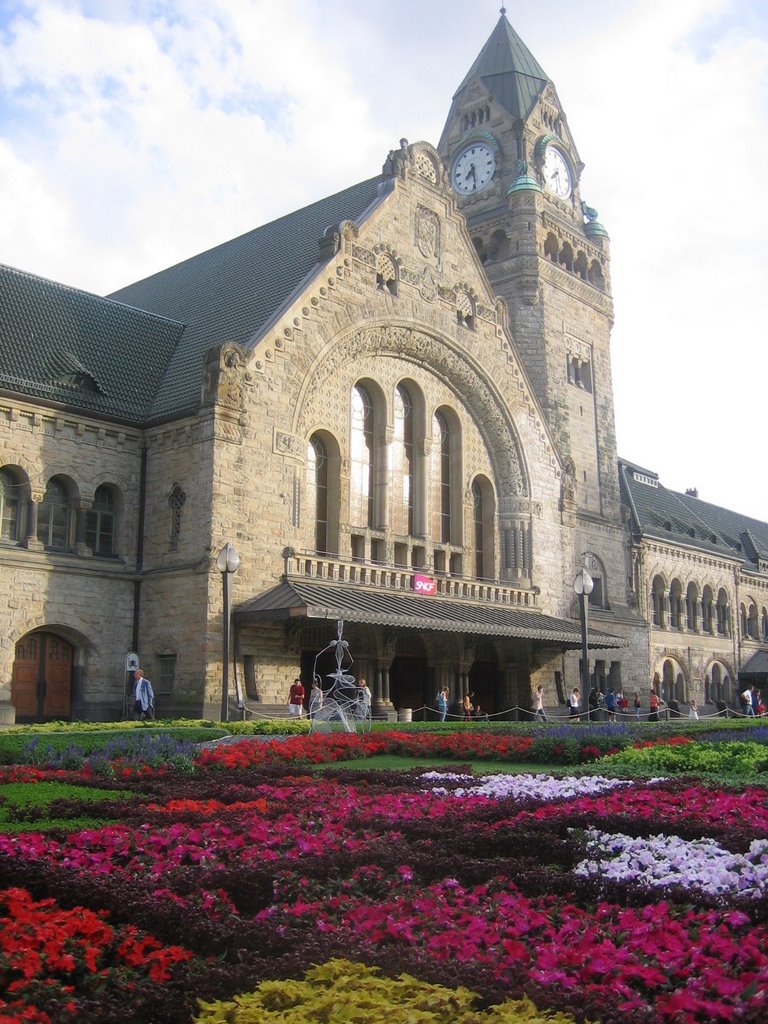
This year the city of Metz decorated the space in front of their main train station with a mix of flowers, grass, stones, and sculpture:


This year's design celebrates the arrival of the high-speed TGV train to this part of Eastern France, cutting the travel time to Paris from 3 hours to 1.5 hours.


This display really hightens the beauty of the surrounding buildings.


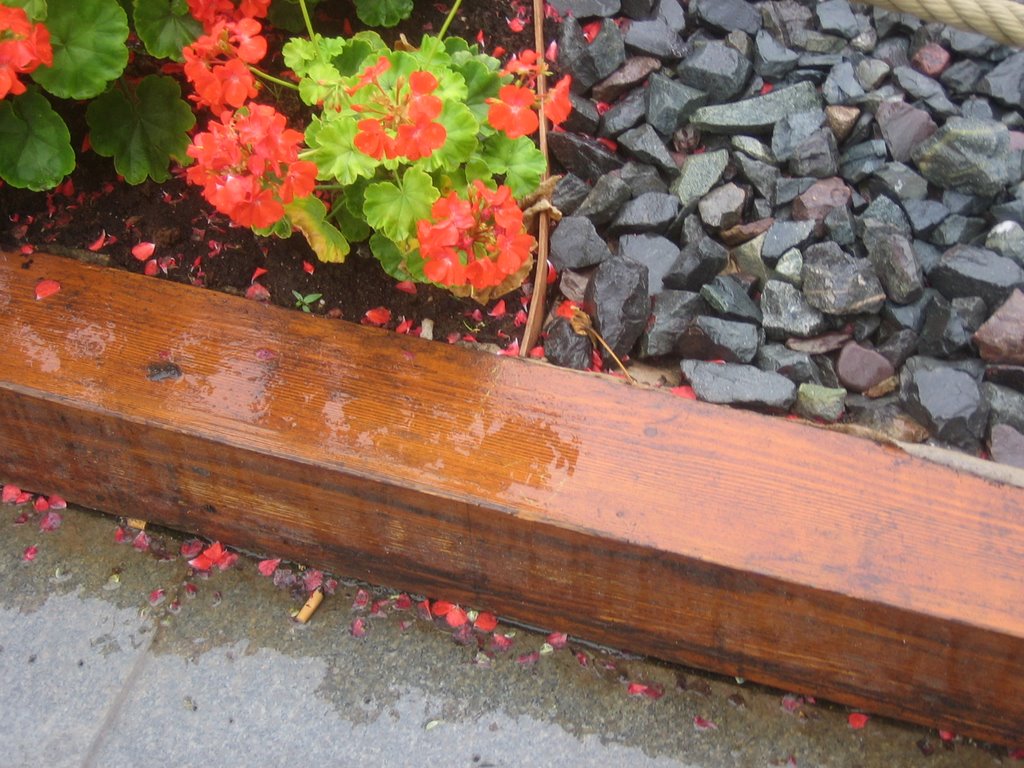
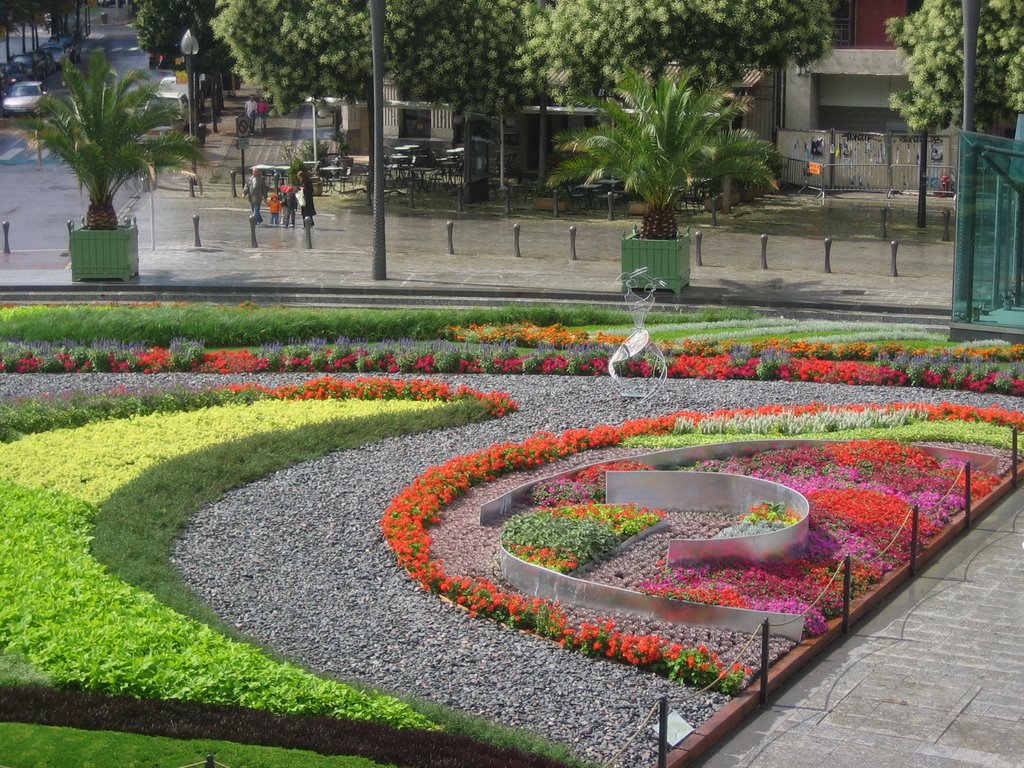
During the rest of the year, this space is a completely flat surface. When starting construction, the designers place what looks to be a series of beams which are 3 to 4 inches in depth around the perimeter of the planned area.


This bracketing allows for a series of sprinklers and pipes for watering to be placed, as well as rich planting soil to be contained within the planned space.


The design is even more remarkable from the air. On the observation platform, one can see the swirls and curves of color below.


Buses operate right next to the displays, as they shuttle passengers throughout the city.


People are given enough space to walk between the arrangements.


So can something like this be designed and constructed in the central square along Federal Street next our historical structures? Every year, a new design can be utilized. After a few years, professional photographers would have amassed enough photos of this to create images to be sold on posters and postcards.

Should an idea like this become a reality in our downtown?

Friday, July 28, 2006

time to replace my OBX sticker with my NEO sticker?

This evening I listened to an interesting radio interview about the economic development community of Northeast Ohio. You can download the mp3 here. For those of you regular readers from outside of the pierogie-haluski belt, NorthEast Ohio = NEO.

Featured as guests were Tom Waltermine of Team NEO, Ed Morrison from the Institute of Open Economic Networks, and Jay Miller from Crane's Cleveland Business Newspaper. One of the conversation's themes was the developing necessity and ability for the region of Northeast Ohio to network and cooperate together.

So is it important for Northeast Ohio to be better networked culturally as a region before we can move together economically as a region?

And how do we build our shared region-wide culture?

- - -

I know tons of people in Ohio that have the europeanesque 3-letter oval sticker with OBX attached to their rear bumper. It screams to the world, "hey, I'm cool. I went to the Outer Banks one year for vacation. In fact, my uncle has a timeshare down there."


So if people from here sport OBX stickers on their cars, would they ever attach an oval sticker with the letters N-E-O to proclaim their Ohio pride to the universe? Maybe NEO stickers can be like FOP stickers: if you have one on your window, the cops won't give you a speeding ticket. Or if you have a NEO sticker, you can get 1 dollar off parking at the lots in downtown cleveland during a sporting event.

Just think of it: people from around the world will respect your NEO roots and pride. When you are driving in Pittsburgh and incorrectly (although legally) yield to oncoming traffic when making a left hand turn, people will mutter "damn NEO drivers."

Would it ever catch on? . . . maybe . . . maybe not.

A experiement might be to pass them out to all the local economic developers and citizens at the next Voices and Choices meeting. It would be interesting to see if they ever pop up around the region. If 0.25% of the cars in this area sport NEO identification on their back bumper, it may gradually push the concept of "a united region" to more and more individuals.

Thursday, July 27, 2006

master plan for the downtown

"everything that you do should be predicated on the fundamental premise that Youngstown is a city with a future."

So said Allan Mallach of the National Housing Institute when he spoke at the the first installment of the Youngstown 2010 - Wick Neighbors Neighborhood Reinvestment Series.

Mr. Mallach presented a number of interesting ideas about how to bring investment to city neighborhoods. One of our neighborhoods is the downtown.

Consider the statement in yesterday's Vindicator and the future of the downtown neighborhood:
"The city is seeking a CIC resolution in support of
allowing the Youngstown Municipal Court to have first option on any development at the former Masters building complex on West Federal Street."
This story made me think of the benefits and drawbacks of placing yet another government structure on Youngstown's main street. I have made no secret in the past of my opinion that the Children Services Building on Federal Street is a poorly designed structure because of its brick wall with no entry or function that runs along the entire front of that building.

The front of the building effectively makes that segment of Federal Street a dead zone, closed to future commerce and accessibility for the next thirty years.

And while the New Court of Appeals on the the other side of the street in a nice building and it replaces some abandoned structures, it's a government building as well. Government buildings, like the possible future Youngstown Municipal Court at the Masters site, will be visited regardless of location in the downtown because people need their services.

So is now the time that we begin to save the space along Youngstown's main street for private sector investment, mixed-use housing with retail in the ground floor, or other structures that are more friendly to foot traffic?

Or perhaps a compromise of function can be utilized: we can have retail and restaurant space facing Federal Street, and the court complex be connected to this, facing another street front. There seems to be a lot of space in that recently demolished city block.

Maybe it is time that we develop a master plan for the downtown.

By drawing together business owners, downtown workers, city residents, urban planners, landscape architects, and other stakeholders to create a plan of action, similar to the Youngstown 2010 process, that can be used to guide the future land use downtown.

my question for each of you is:

What do you want Downtown Youngstown to look like in ten years?

Can a downtown master plan help us to reach that goal?

Tuesday, July 25, 2006

Youngstowners, go spend your NEO bucks!

First off, I regret that this is my first post of the month. Trying to blog from internet cafes and random people's apartments in eastern europe is a difficult situation to say the least. I have tons of blog ideas in my head right now, and I just need to get them onto the internet.

Getting back to business . . .

Bit by bit over the past two weeks, I have been completing my Voices & Choices Choicebook online. It works like this: over the past two years, the Voices & Choices program has been both identifying the problems of Northeast Ohio's development and collecting possible solutions to our challenges.


The Choicebook is the attempt to have individual residents give their opinions on what solutions should be targeted for implementation. If you are a regular reader of this blog, and have not completed this online survey, please consider doing so.

If you are regular reader from Rome or Paris or Washington DC or Youngstown (thanks for your continual support, by the way) or anywhere, and seek the opportunity to contribute to charting our future, click here to begin.

Each section takes about 8 minutes to compete, and there are six sections. After getting input from the public through these Choicebooks, the results will be aggregated and an agenda will be created.

Friday, June 30, 2006

critical mass youngstown

On days like today, the last Friday of the month in cities all across the world, a cycling event called Critical Mass occurs.

It works like this: people meet at a central location in the afternoon, and then bike together as one large group along a route. In some cities where the turnout is huge, the group is one large mass of people taking up the entire width of the road. In other places where the group is smaller, the cyclists share the road with the cars, staying to the right of the road going single-file along the route.


Whether we have 10 people, 100 people, or 1000 people show up, this would be a great activity to have in Youngstown.

But it doesn't have to be on a Friday afternoon. It can be held during the weekend, when perhaps more families can attend. We can take a slow pace weaving around the park and the downtown. Perhaps everyone who attends can meet up somewhere in the city for a meal or a drink after the ride. The police can even join in, alerting the public to our presence for safety. And everyone gets out of the house and gets a good workout. This is an activity that requires little cost, and has a variety of benefits.

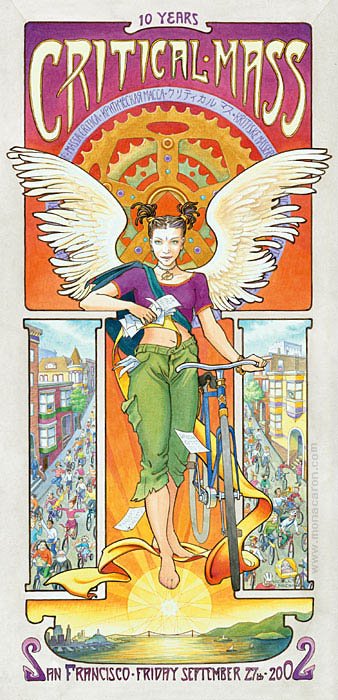
Here is a beautiful poster that was posted at the movement's 10th anniversary website, as created by the San Francisco artist Mona Caron:


Much thanks to guv from the Cleveland Walks! blog, who emailed me the Google Maps Pedometer website, asking me to post my latest ride I wrote about in this blog.

Well, click HERE to check out a map I made online of the journey!

What a cool little program.

So here is an interactive activity and challenge I pose to my readers:

Go to www.gmap-pedometer.com and choose a 10 mile or so route around Youngstown that would be ideal for the first "Critical Mass Youngstown" ride.

Things to consider:
- level of difficulty for beginners (uphill)
- scenic beauty
- historical architecture and neighborhoods
- width of roads
- sharing space with automobiles

POST your IDEAS and MAPS in the comments section of this blog entry! I'll do a follow-up story in a few weeks.

Wednesday, June 28, 2006

new life for youngstown’s crab creek

A fascinating new set of ideas about urban design in Youngstown appeared this week on a special website of Kent State’s Cleveland Urban Design Collaborative. Students from the architecture faculty at the Dresden Technical University in Germany produced some truly stunning concepts for the possible future of design in the city.

Their work encompassed two geographical areas in the city: the Crab Creek river basin and the land adjacent to the convention center downtown.

The Crab Creek runs south from Trumbull County separating the north and east sides of the city, eventually merging with the Mahoning River near the downtown. Miles of industrial property runs along banks of the Crab Creek, which currently has no public access. Their plan includes opening the river to the public again by incorporating features such as pedestrian and bike trails, an “industrial garden”, and an “adventure site” for younger children. You can see their entire presentation here.


I really like the industrial garden idea. It includes illuminating old loading hoppers along the river as a central focal point, incorporating old railroad ties for benches and landscaping, and reusing older buildings for restrooms and meeting and exhibition spaces.

The second presentation (found here) includes ideas for what to do with the land sandwiched between the Market Street Bridge and the South Avenue Bridge near the convocation center. It included building a ramped walkway to the river above the railroad tracks and an amphitheater among others.


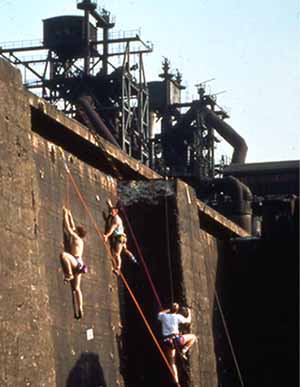
One additional presentation on the website gives an overview of the reuse of industrial property in the Emscher Area of the Ruhr Valley. Remember my World Cup blog last week about the area around Essen feeling like Youngstown? – well this presentation backs up that idea. It includes examples of using creative lighting, recreational areas, residential developments, and commercial successes to enhance existing industrial areas.


They close with these important conclusions:

- derelict industrial areas have value
- protect existing structures
- new uses are essential
- new implementation methods are needed
- establish a financial framework before beginning
- place emphasis on long range solutions


So can these concepts on paper become reality?

Tuesday, June 27, 2006

negative space creates positive spaces

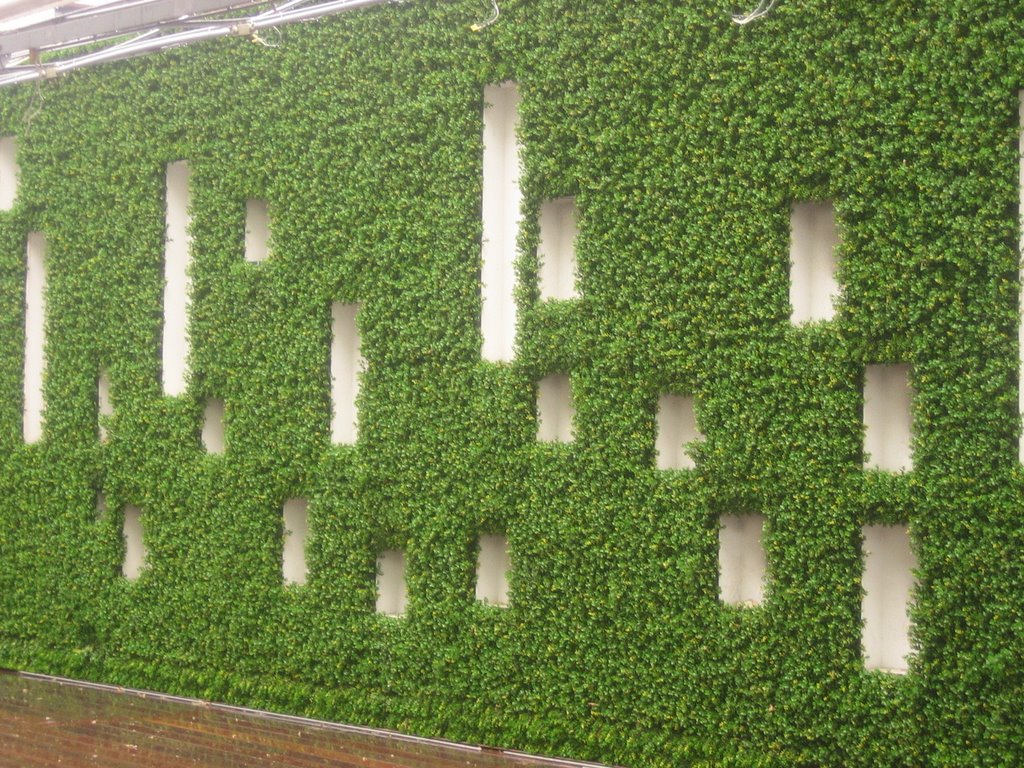
Walking along Sherbrooke Avenue in Montréal, I came across an interesting wall. Ivy was growing across the surface, except for randomly assorted spaces.


Taking a step back, this wall was part of an outside patio for a local restaurant. A creative use of nature in an outdoor commercial space.


Here is another cool example in the same city. The facade of this building was at one point saved, and now functions as a wall separating the sidewalk from the dining public. Another great example of adapting older buildings for reuse.


This last picture was taken by myself in downtown Youngstown:


Some may call for this building to be torn down. But as we see in other cities, we can adapt our structures for new usage before destroying them. Can the space be structurally supported and illuminated? Maybe flowers can be grown along the surface...

There are many functions this type of space can serve as we hold onto our historical character.

Monday, June 26, 2006

throw the book at this bastard

Thursday, June 29th at 1:30pm

Downtown at City Hall, Municipal Court (2nd Floor)


This is the time and place for the sentencing hearing for the criminal that was caught last week breaking into a vacant home on the North Side, stealing its contents and destoying its interior. This type of behavior has progressively destroyed many of our city neighborhoods, and now is the opportunity for the public to display its feelings on this type of crime. Please join us this week at City Hall. We need your presence. Spread the word.

here is a message from the Ytown Homes and Historic Buildings Yahoo group:

All interested parties are strongly encouraged to attend this hearing. It is important that the courtroom be filled to capacity to send a strong message to the court, and the community in general, that this house stripping activity of vacant properties on the North Side is not a "victimless crime".

All residents of our North Side neighborhoods are adversely affected by this activity. The scavengers must be apprehended and incarcerated for the maximum length of time that the law provides in order that these vacant properties can be peacefully restored, rehabilitated and occupied as soon as possible.


---------------

We MUST start sending a message to the courts and to city hall that breaking into and stripping the antiquities from Youngstown's homes will NO LONGER be tolerated!

(thanks to A for the information)

Friday, June 23, 2006

Choosing neighborhood projects with technology

- Was at lunch with a friend yesterday and we were discussing a paper about how social pressures impact autonomous decision-making, which inhibit reaching the best solution.

- Read a community bulletin board two days ago and the posts were complaining about how people in the community don’t get involved in local efforts.

- Received an email today from the Youngstown Business Incubator and it stated the CEO of Turning Technologies won an award from Ernst & Young for “Entrepreneur of the Year” as that company produces the #1 audience response system in the world.

- Listened to a radio show this morning and some city residents were complaining about elected officials and how as citizens they have very little input in the matters of local government.

What do these have to do with each other?

Maybe we can come up with a method to increase residential participation, strengthen the power of neighborhood organizations, create neighborhood improvement projects, and disseminate local technology all in one swoop.

Well I have an experiment to propose:

Youngstown City Council will set aside $40,000 for this “grassroots neighborhood development” exercise. Each of the 10 residential zones in the city (as defined in the Youngstown 2010 plan) will be appropriated $2,000 to spend on neighborhood improvement projects – and the money can be spent on anything the neighborhood chooses, reached by consensus or some voting technique. A $10,000 bonus will be awarded by the city to the two neighborhoods with the best ideas, as chosen by the Community Development Agency or some committee.

Letters will be sent to every household describing (a) the structure of the program, (b) a number to call if they want to join a neighborhood blockwatch, and (c) a fill-in page where residents can anonymously list projects in their neighborhood that deserve funding and why. Their responses can be mailed or dropped off at some central location in their neighborhood. They will also be told of a future date where the neighborhood will come together to vote on how to spend the money.

At these various neighborhood meetings, a powerpoint presentation that contains all of the ideas provided by the neighborhood residents will be shown. Incorporating Turning Technologies’ audience response hardware, the people in attendance will use that technology to help them to autonomously choose how much they favor certain projects, and perhaps consensus can be reached on how to spend the $2,000.

This type of system may produce certain benefits:

(1) In addition to having ten initiatives to fund as chosen through the process, city officials will also now have a laundry list of suggestions as submitted by a hopefully diverse set of individuals.
(2) Give residents the feeling they have the direct ability to impact how money is spent and thus, a larger (and more content) voice in the process
(3) Introduce residents to the products of YBI companies and the novel approach of incorporating technology into the decision-making process.
(4) Increase the possibility of individuals joining a neighborhood group, and increase the ability for the neighborhood to improve its surroundings.

Well, this is just a brainstorm after absorbing some opinions today. Can something like this ever work, or have the desired effect of a stronger Youngstown?

Saturday, June 17, 2006

we are all outlaws in the eyes of america

world cup fever baby!


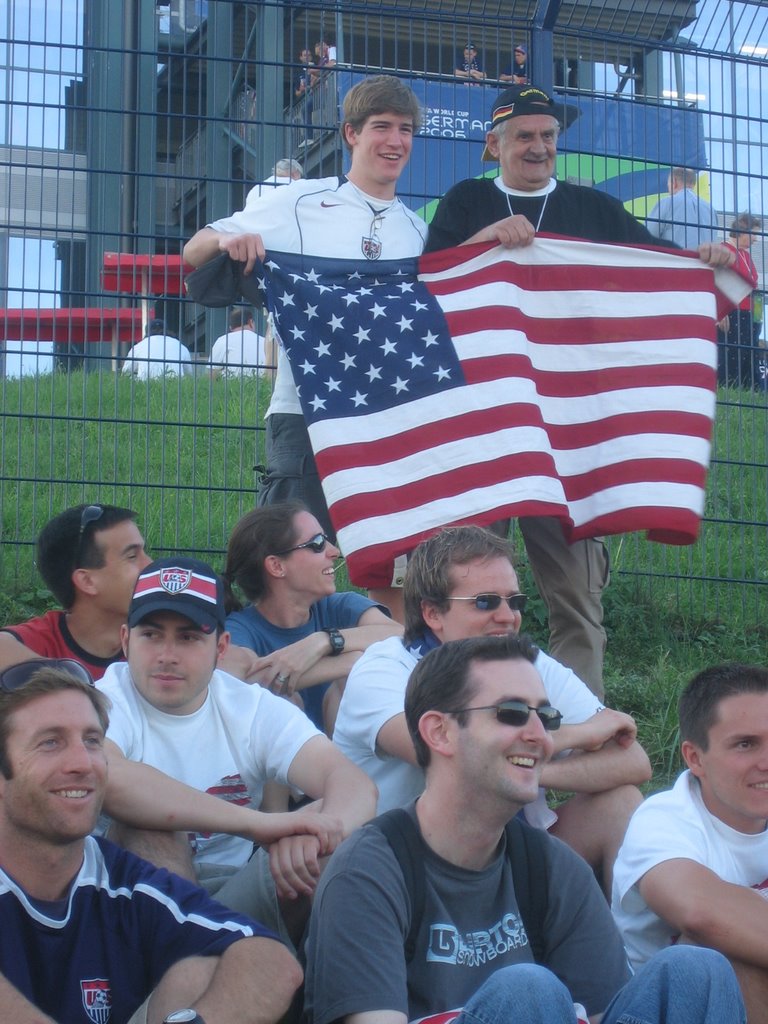
Had the chance to make it out to Germany this week for one of the USA World Cup matches. Click here and here to see some pre-game video. After licking our wounds from the 3-0 thrashing by the Czech Republic (Boze moi!), our group of 23 buddies found some solace in schnitzel and hefeweizen. The match was in Gelsenkirchen, kinda like the Youngstown of Germany because of its industrial heritage.


Our group even represented a good mix of cultures: Ohio, Iowa, Idaho, California, New Mexico, Tennessee, Scotland, Northern Ireland, England, El Salvador, France, Germany – people would just come up to us, asking to have their picture taken with us. “Where are you from?” they asked, and we could just say, “well, from all over the place really”.

A poll on the Youngstown Vindicator’s website, the local newspaper of record, asked its readers how much they were interested the world cup. The results:

Yes, I am really interested: 9%
Umm, I am moderately interested: 7%
No, I could care less about the damn thing: 84%

In cities around the world, people are meeting in public places to watch these matches, even if their country is not represented. From shopping malls in Hong Kong to militia strongholds in Somalia to a campo in Patagonia (thanks CNN international for the story this morning)

I hope tonight we fare better. I have an Italian roommate, who has many Italian friends coming over to watch the match. If it is a rout, the living conditions may become unbearable.

But one last Youngstown kick: these matches will going on every week until mid-July. Is there any chance of putting a big projection screen somewhere downtown so the public can come together to watch these games?

Maybe the international community will come out in full force in addition to other futbol fans. Maybe coaches can bring their soccer teams, who will come with their families. Maybe high school teams can join as well. The final match is Sunday July 9th.

Friday, June 16, 2006

time to ramp up to PhD programs?

Today's Plain Dealer contains an article highlighting Ohio's new Economic Growth Challenge/Innovation Incentive Program, where the state matches money appropriated by Ohio universities that is focused towards doctoral programs in science and technology.

13 Ohio universities are a part of this program, including Cleveland State University, Case Western Reserve University, Kent State University and the University of Akron from Northeast Ohio. Youngstown State University is not.

I've had a lot of dicussions over the years whether the best way to encourage innovation is to target investment into a few select areas or to spread the wealth around. As taxpayers, we want our money to be spent where it may have the greatest impact.

So as the state is reorienting some of its appropriations towards tech-based economic development, is now the time when Youngstown State University needs to reorient itself to build doctoral research programs? At the moment, Youngstown State only offers doctoral degrees in the field of education.

Maybe it should start to build doctoral programs in its prolific chemistry department. Or maybe it can build a doctoral program within the computer science department, which will create additional opportunities with the expanding software-based Youngstown Business Incubator.

It would be great to read one day how Youngstown State has joined the company of these other universities from Northeast Ohio that have learned to leverage their research programs for future development.

Thursday, June 15, 2006

drisana-nari was, like absinthe, the toast of pittsburgh

The other day I was doing a quick search for the number of SBIR grants which were attained by businessesin Youngstown over the past decade. These Small Business Innovation Research (SBIR) grants are offered by various entities within the U.S. Government, such as the Department of Defense and the Department of Energy, and are often used as a metric of innovation for a geographical area. I was searching though databases for this information, and then a question occurred to me: do some organizations in NEO track all of these types of countable innovation metrics for both the Northeast Ohio region and the individual metropolitan statistical areas within NEO?

I few weeks ago, I read the impressive “State of the Industry Report” published by the Pittsburgh Technology Council. This document is produced annually and tracks a number of metrics of the technology and information-intensive industry in the Pittsburgh region. Not only is it informative, but the layout is great also. It is colorful, well-organized, and the electronic pdf version contains numerous clickable pathways so you can navigate easily to employment data, small vignettes about local businesses, and other specific components of the report. I liked the ability to jump from point to point within the report, and the ease of returning to the body as I read through to their recommendations. The report can be downloaded here.

Look to page 27 of a clickable summary of its contents. Five primary clusters of technology industries are identified: information technology, life sciences, advanced manufacturing, advanced materials, and environmental technology. The report continues to track employment size, number of companies, and the payroll for specific sectors within these five clusters. They do this for both the seven-county Pittsburgh MSA and the thirteen-county Pittsburgh region.

What I really found interesting was the change over time in the amount of university R&D expenditures, science and engineering graduate students, patents filed and issued, start-up companies, SBIR awards, venture capital, and initial public offerings (IPO) that were presented. Again, it would be great to see all of these metrics for NEO. Any suggestions on where to find this?

And one other interesting thought:

Adjacent Lawrence County (just a few miles from downtown Youngstown on the other side of the OH-PA line) is part of the thirteen-county area that is encompassed by the Pittsburgh Technology Council’s geographical boundaries. Nearby Butler County is included in the seven-county Pittsburgh Metropolitan Statistical Area. As the suburbs of Cleveland and Pittsburgh areas blend with the suburbs of the Youngstown area, their economies are becoming more entwined as well. Maybe there are strategies Youngstown can leverage as a member of NEO and additional strategies that can be developed from the path that the Pittsburgh region is taking.

We are smack in the middle of Cleveland and Pittsburgh. Jumping yard to yard in Youngstown, you see Browns flags and Steelers flags. The radios in our neighborhoods are tuned to both Indians baseball and Penguins hockey. If there is such a tie to both regions, then maybe we can leverage their economic development strengths of both areas to our advantage. Or bigger yet, should both Northeast Ohio and Southwestern Pennsylvania be developing strategies together?

Friday, June 09, 2006

tacoed!

this is a story about a boy and his milk

and the bike that made it all possible on his day off

- - -

So an ATL buddy came into town this week en route to the World Cup in Germany. The plan was to bike around the region today. As the bike rental place is across town, we decided to try fitting one of us on the back of my bike bracket as many of the locals do.

Whhrrrrmppp. Needless to say, we the bike was tacoed in the first turn. Bummer. The Pink Pony is down. See the evidence:


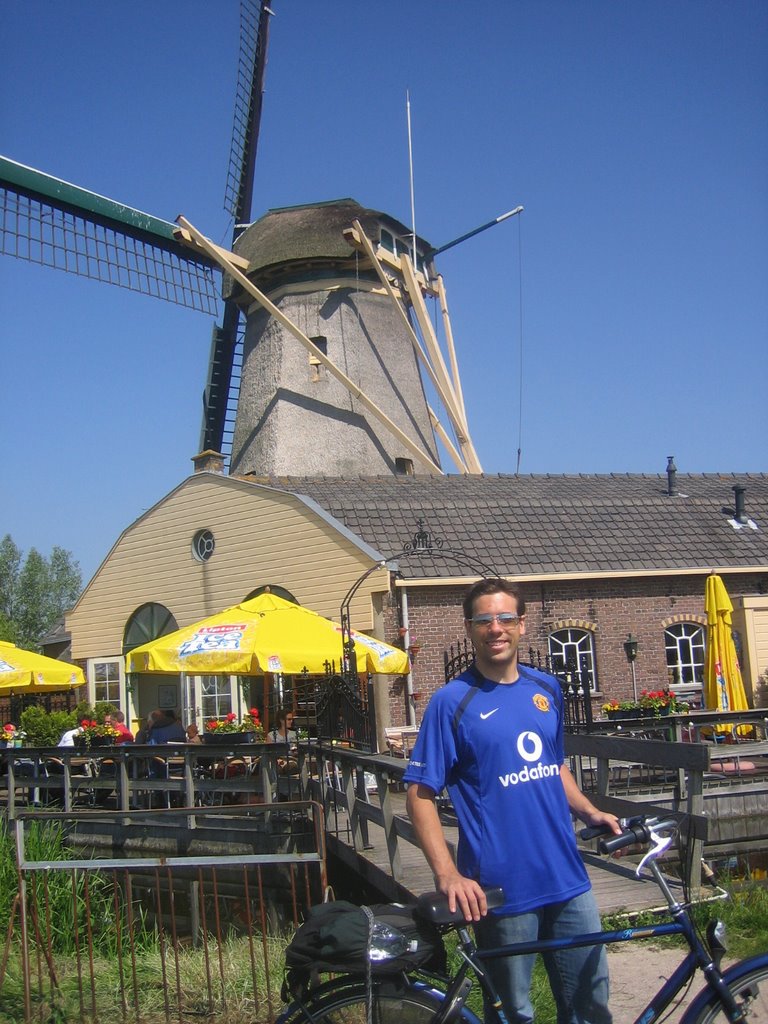
I tried to straighten it out, but the result was a little too jenky. So now we needed two bikes to rent. No problem. A couple of euros later we hit the well maintained, numerous bike paths that weave through every city here. (note: I did not say “hit the streets with the car traffic”) Within 15 minutes we were out of the downtown and among the windmills and farmland, biking for about 3 hours from town to town.


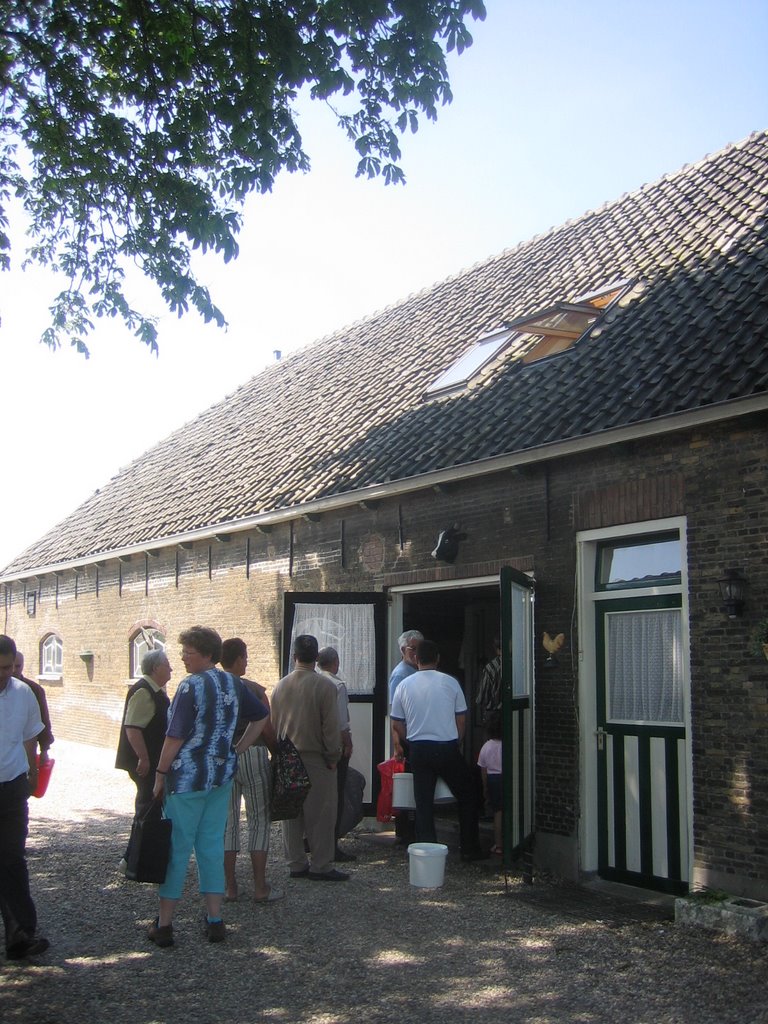
At 1pm on the way back in, this dairy in the next town over opened for the day, so I visited it for the first time. Where I live is a city of 90,000 people. It is not a farm town. There are cities of 400,000 people and 600,000 people both 8 miles from our downtown. The density and planning are so remarkable though, that choose any direction and within a few minutes you will be in woods or fields with no traffic and fresh air.

The dairy was awesome. There was this huge faucet coming out of this mysterious wall that added to our bounty: one liter of unpasteurized whole milk, one liter of unpasteurized buttermilk, a 300g hunk of aged gouda cheese, some homemade butter, and some homemade yogurt. There was a line out the door when we left. In twenty-five minutes the goods were back in my refrigerator.
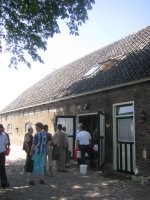

Ate lunch at home. Got some fresh baked bread and a smoked herring from the tri-weekly farmer’s market in the city, and washed them down with a frothy cold glass of milk. The milk was unbelievable. Like nothing I have ever tasted.


Set out for the late afternoon to evening ride. The next town over in the opposite direction has a series of houses with these crazy lawns. I wanted to both run through them and give this guy a trophy:
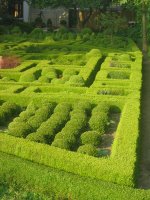

A couple of little towns later, hit the southern-most part of the trip. In this city of 15,000 they had all these roads blocked off for a jogging race - with spectators. And it was a Thursday.
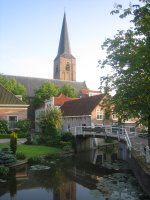

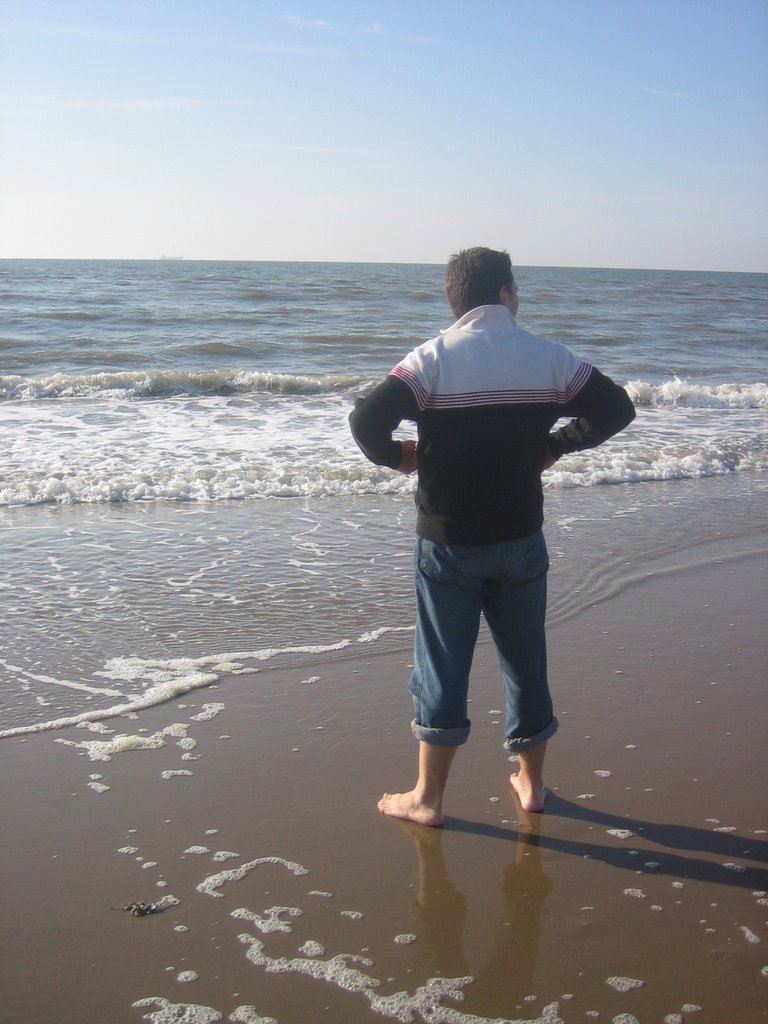
Then biked 20km or so to the beach, weaving through cow pastures and greenhouses. Got to see the ferries arrive from England and got a little sunburned while lounging.


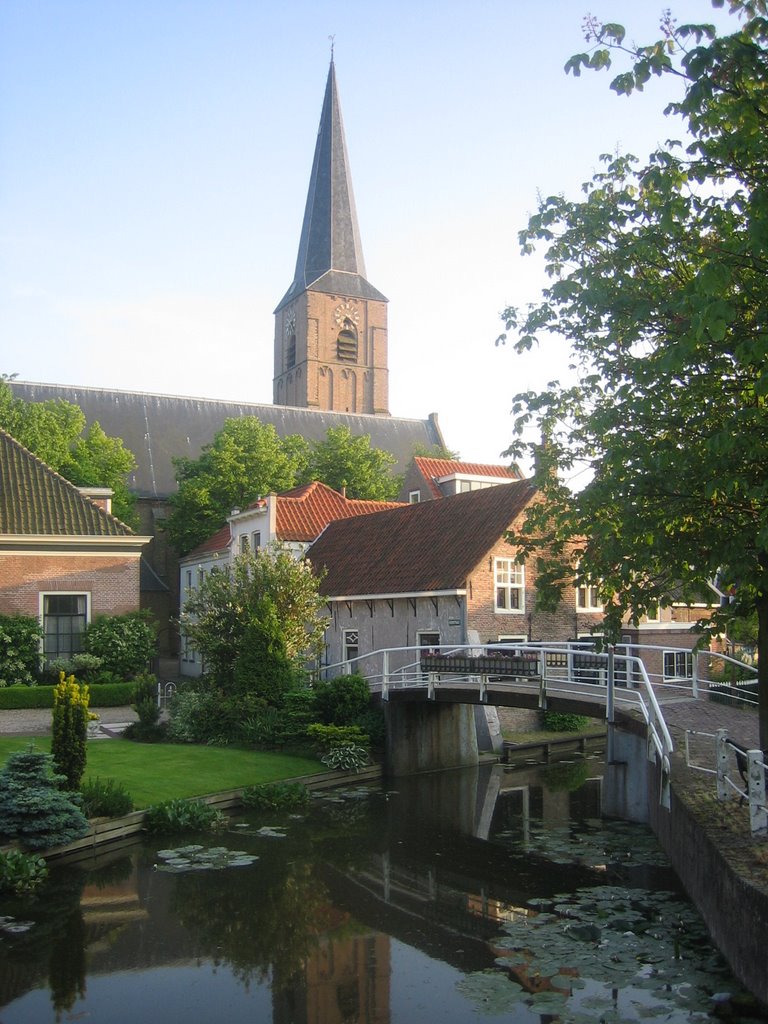
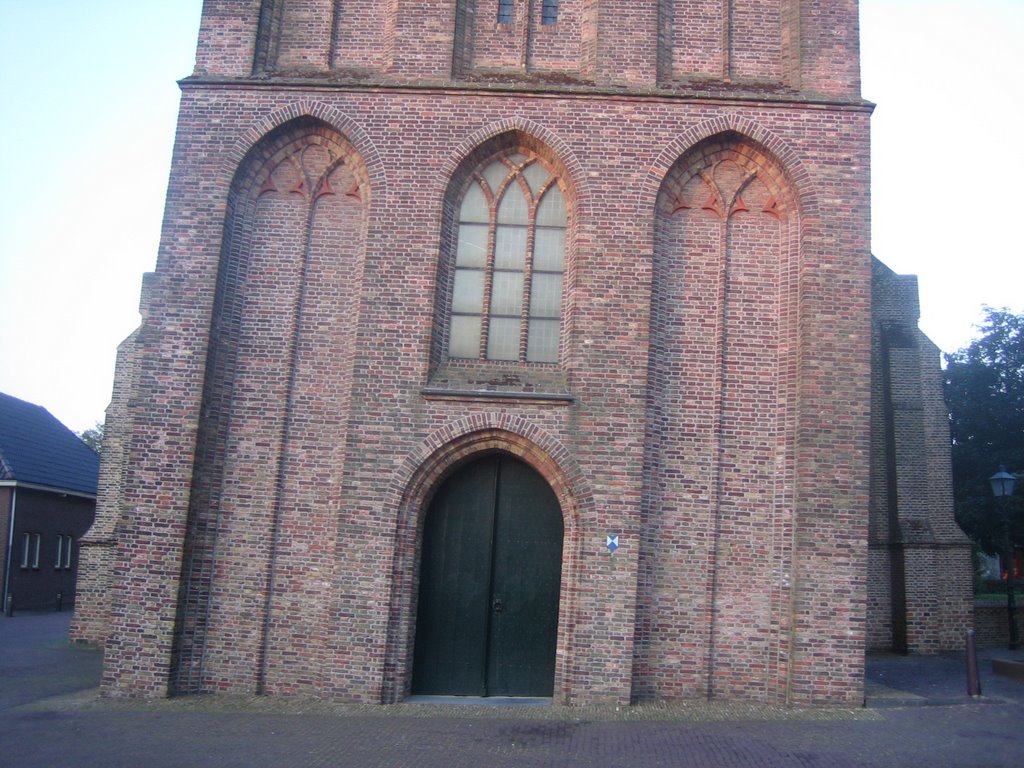
Two towns way from home at 9pm. Saw this church that was crazy slanted which must have been sinking as they built it. I’m not tilting my camera for this photo.
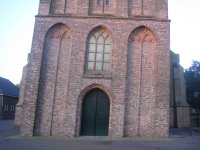

One town from home. Some locals were getting seated to their neighborhood pubs. One guy painted the outside of his entire bar in red, white, and blue stripes from roof to sidewalk. Another guy wrapped his whole building in orange.
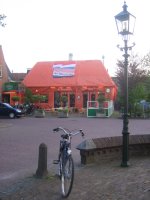

Returned the bike at 10:25pm. Watched the sunset between the spires of the cathedrals. Didn’t stay long though, as there were live performances on stages throughout the city at this time. The festival is called “mooi weer spelen” which translates into “beautiful weather on stage” – sort of a summer-is-here-now-so-we-can-hang-outside event. 11:30pm on a Thursday. I see hundreds and hundreds of people walking about. Unreal.
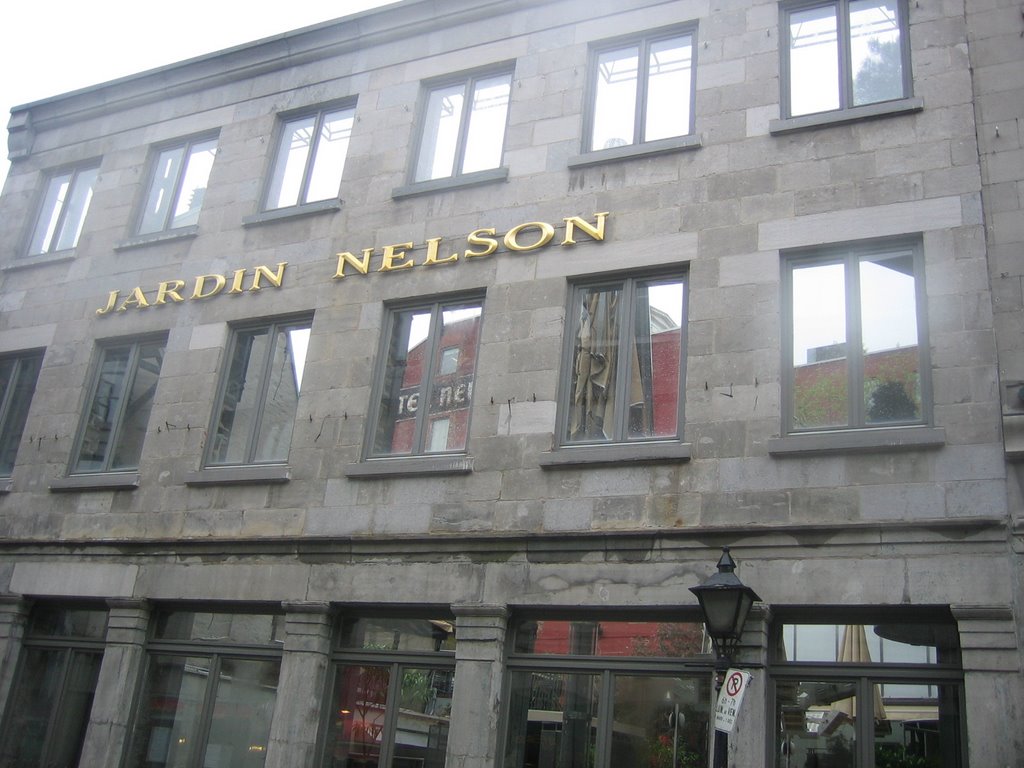
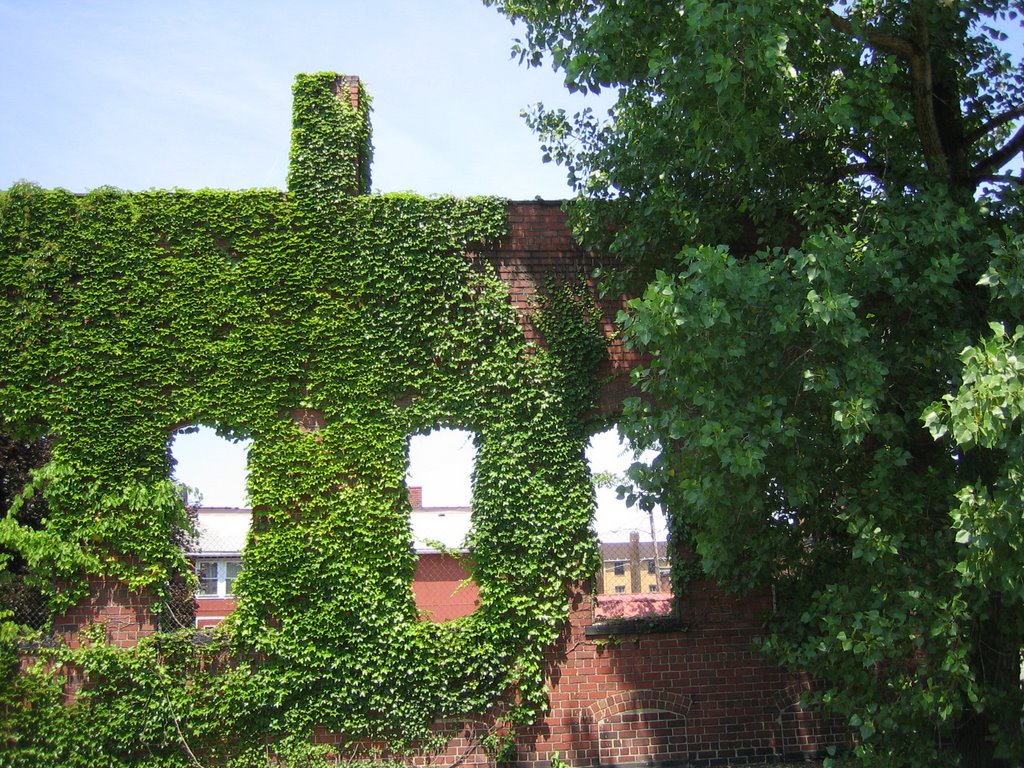
I just don’t understand how they get all these people from all over the country to travel here for these bi-monthly multi-day festivals. Especially since nearby cities do their own events as well. From a tented jazz festival and mardi gras celebration (with floats) during one month to a theatre festival and party-on-the-canals celebration during another month. It can make your head explode.

today’s events have taught me a few things:

- small cities can flourish, and explode with creativity and amenities, when both willing organizers and an interested public step up to make things happen

- connectivity of urban transit and population density is entirely related to quality of life issues and happiness for a good chunk of a region’s inhabitants

- biking around 70 or 80 kilometers in one day makes your butt hurt

- a glass of really cold milk, fresh from a cow, makes it feel better